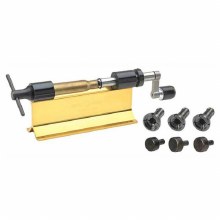
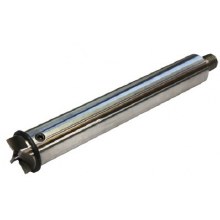
Maintaining proper case length is an important part of safe and consistent ammunition reloading. As cartridge cases are fired and resized, many bottleneck rifle cases gradually lengthen. When a case exceeds the maximum recommended length for its cartridge, it should be trimmed to help ensure reliable chambering, proper bullet release, and safe operation.
Case trimmers allow reloaders to precisely trim cartridge cases to a uniform length. Consistent case length contributes to uniform neck tension, more consistent crimping when used, and smoother chambering. After trimming, reloaders typically chamfer and deburr the case mouth to remove sharp edges and prepare the brass for bullet seating.
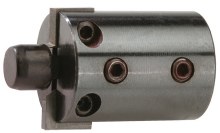
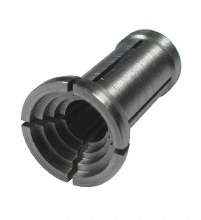
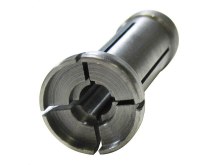
Today's reloaders can choose from a variety of trimming systems. Manual case trimmers provide excellent precision and are well suited for small batches and load development. Powered case trimmers and case prep centers greatly increase productivity when preparing large quantities of brass for competition, hunting, or high-volume shooting. Many systems also offer caliber-specific pilots, shell holders, and accessories that improve accuracy and efficiency.
At ReloadingEverything.com, you'll find manual and powered case trimmers, cutter heads, pilots, shell holders, chamfer and deburring tools, replacement cutters, and other brass preparation equipment from leading manufacturers. Whether you're preparing hunting ammunition, precision rifle cartridges, or high-volume practice ammunition, a quality case trimmer helps produce safer, more consistent reloads.
Featured Product Categories
Manual Case Trimmers
Powered Case Trimmers
Precision Case Trimmers
Universal Case Trimmers
Cutter Heads
Trimmer Pilots
Shell Holders
Chamfer Tools
Deburring Tools
Trim Length Gauges
Replacement Cutters
Brass Prep Centers
Frequently Asked Questions (FAQ's)
Why do cartridge cases need to be trimmed?
Repeated firing and resizing can cause many cartridge cases to lengthen. Trimming keeps cases within the recommended maximum length to help ensure safe chambering and consistent ammunition performance.
How often should I trim my brass?
Case length should be measured after resizing. Trim only when the case exceeds the published maximum length for that cartridge or according to your preferred brass preparation routine.
Do handgun cases need to be trimmed?
Many straight-wall handgun cases grow very little and may rarely require trimming. Bottleneck rifle cartridges typically require more frequent measurement and trimming.
What should I do after trimming brass?
Most reloaders chamfer and deburr the case mouth after trimming to remove sharp edges and prepare the case for smooth bullet seating.
Are powered case trimmers worth it?
Powered case trimmers can significantly reduce preparation time for reloaders processing large quantities of brass, while manual trimmers remain an excellent choice for smaller batches and precision work.